

Princess Leia Ears

When I was young, I got a lot of ear infections. I can still remember the dull, painful ache… deep in the ear, and disconcerting in the way that you couldn’t get to it like you can with a muscle ache—nothing seemed to bring relief.
While I haven’t had an outright ear infection in a long time, my ears are still a kind of ‘weak point’ in my body. This is a common phenomenon—systems that sustain injury, especially early in life, tend to remain somewhat vulnerable as the decades unfold. It can be instructive to think about this in your own body. For example, when you get sick with a cold or the flu, where does it tend to show up first? For some it’s a sore throat, others feel it in the sinuses or as an earache, and some people experience it first in their gut. Making note of these patterns for yourself can both help you become more aware of early signs of infection or inflammation (which means you can intervene sooner), and it also highlights areas of your body that might need a little extra support and attention overall.
In January, Ian and I went on our honeymoon to St. Thomas in the US Virgin Islands, where we were looking forward to a few scuba diving trips. I hadn’t been diving since 2021, which was my first time, so I still felt a little clumsy with the various protocols. And unfortunately our dive instructor that day was… shall we say, overly laid back with the reminders of what to do (even though we paid for the ‘refresher course’). All this to say, I kind of forgot how critical it was to equalize the pressure in your ears very frequently as you descend in the water. (You do this by basically blocking your nose and blowing air gently out through your ears—which makes a cool squeaking sound, btw.) My poor technique, coupled with my history of generally sensitive ears, landed me with a peculiar sensation of pressure and pain in my right ear after our first dive. I thought it would resolve in a few hours, but the next day it was still there, perhaps worse. After reading about the prevalence of middle-ear barotrauma in scuba diving, I decided to skip diving for the rest of our stay. (Ian’s solo dive ended up including an exploration of a wrecked ship—how cool!)
As another day passed and still no improvement in my ears, I began to worry about the flight home. Often flying is contraindicated with this kind of ear injury, because you’re exposing yourself to yet more pressure changes at 30,000 feet. Thankfully, I finally remembered to try one of the best herbal tricks for ear issues: onion ears!
One of the best things about this remedy is its convenience: whether you’re at home or traveling in a remote location, you can almost always find an onion. They’re ubiquitous in most cuisines, and they’re also really cheap. We grabbed one at the local grocery store, and I got to prepping. (Thankfully our Airbnb had a small stove.)
The Onion Trick (aka Princess Leia Ears)
Peel and an onion and cut ½-1 inch thick slices. The easiest way to do this is into rounds, so it makes circles like you’d but on a burger. Any kind of onion will do—red or white is fine.
Warm one slice in a pan on the stove using low heat. You don’t want to cook the onion at all, but just warm it up so it’s still comfortable against the skin. The heat helps release some of the helpful constituents.
Fun for kiddos and adults alike: You can make two, one for each ear, and pretend to be Princess Leia from Star Wars! Even if only one ear is hurting, sometimes infections can travel across to the other ear, so it’s actually good to apply the medicine to both ears. (You can also just make one and use it on one ear and then the other, but that’s much less fun.)Once the slice is warm, wrap in a thin towel, muslin, or cheese cloth. This will contain the onion but also let the steam and antimicrobial constituents out. (This little cloth bundle is what makes the ‘Leia ear.’ Double for the full effect.)
Hold the onion to the ear(s) for 5-10 minutes, or until cool. You can repeat this a few times a day—it really does help ease the ache, and also will help speed healing. Use the force! Of onions!

A classic poster of Carrie Fisher as Princess Leia in Star Wars

Even though I’d learned about it in herb school, St. Thomas was the first time I’d been able to experience the onion trick, and oh my—it was so immediately soothing! The combination of warmth and moisture felt like magic; the pain was relieved right away. This is also a great remedy for ear pain that comes in winter if the ear canals get too cold. It’s also amazing for ear infections, due to the antimicrobial constituents in onions that get carried on the steam into the ears. (In that way, it’s much like how a thyme steam works for the lungs.)
I tried this on the fourth evening of our trip, and the next morning when I woke, my ear was almost completely better; happily, I was back to 100% by the time we flew home. In my case, I’m not sure I needed the antimicrobial properties, since I don’t think I had any infection (although who knows?), but onions—and all plants—contain many, many constituents that often work synergistically with each other and in our own systems. This is one of the dangers of focusing too narrowly on single constituents, as many studies do (especially when looking for compounds that could be isolated and sold as pharmaceuticals). A comprehensive review reports that onions have been shown to have antioxidant, anti-inflammatory, and antimicrobial properties, and to be beneficial for a wide range of concerns, including cholesterol, heavy metal toxicity, gastric ulcers, and even cancer. They can also be protective to cells in general, and increase protein synthesis in damaged tissues. Hooray for onions!
Side note: Garlic is in the same genus as onion (Allium) and has a lot of similar constituents and actions. I’ve seen some posts online recommending a clove of garlic in the ear as a treatment for ear infections, but please don’t do this! Garlic is a very hot herb, and raw garlic applied directly to the skin can cause chemical burns. No raw garlic in ears, or any other orifice for that matter (it’s also sometimes recommended for vaginal infections—yeowch).
Wider Circles
The vast majority of cultures rely heavily on onions (and garlic) in their cuisine. This is a wonderful example of ‘food as medicine,’ and represents a kind of traditional knowledge that is slipping away in our modern society. I love pondering all of this… how did ancient communities learn the benefits of these plants? Was it consciously understood, or something more intuitive? How was the knowledge passed down, and how/why are we losing it? Regardless of the answers, incorporating these plants (liberally!) into your food is a fantastic way to improve your overall health.
One last thing to note, coming back to my frequent ear infections as a child, is I’ve been fascinated to learn that this is a very common symptom of food intolerance or allergies. (If that sounds odd or confusing, see my previous post on gut barrier integrity and how compromises there can show up in many other bodily systems.) Same goes for frequent skin rashes or eczema (which I also had), and asthma too. As I’ve been investigating my own food intolerances these last few years, many symptoms I’ve experienced at various points in my life are falling into place.
I’m struck again and again that it’s really all one system. Bodily systems aren’t separate from each other—or from the trillions of microorganisms that live in and on us as our microbiome. What we take into our bodies matters profoundly. Thoughts and emotions aren’t separate from our physiology. Our cultural practices, norms, and values impact our health and well-being at a deep level, and also impact the health of the planet. We need to broaden the circles of what we think (or care) about, and integrate ideas beyond the narrow focus of our own selves, our own tribe, the single cause, the single constituent or explanation, etc. In fact, something about the concentric rings of the onion speaks to this ever-widening sphere of connection…
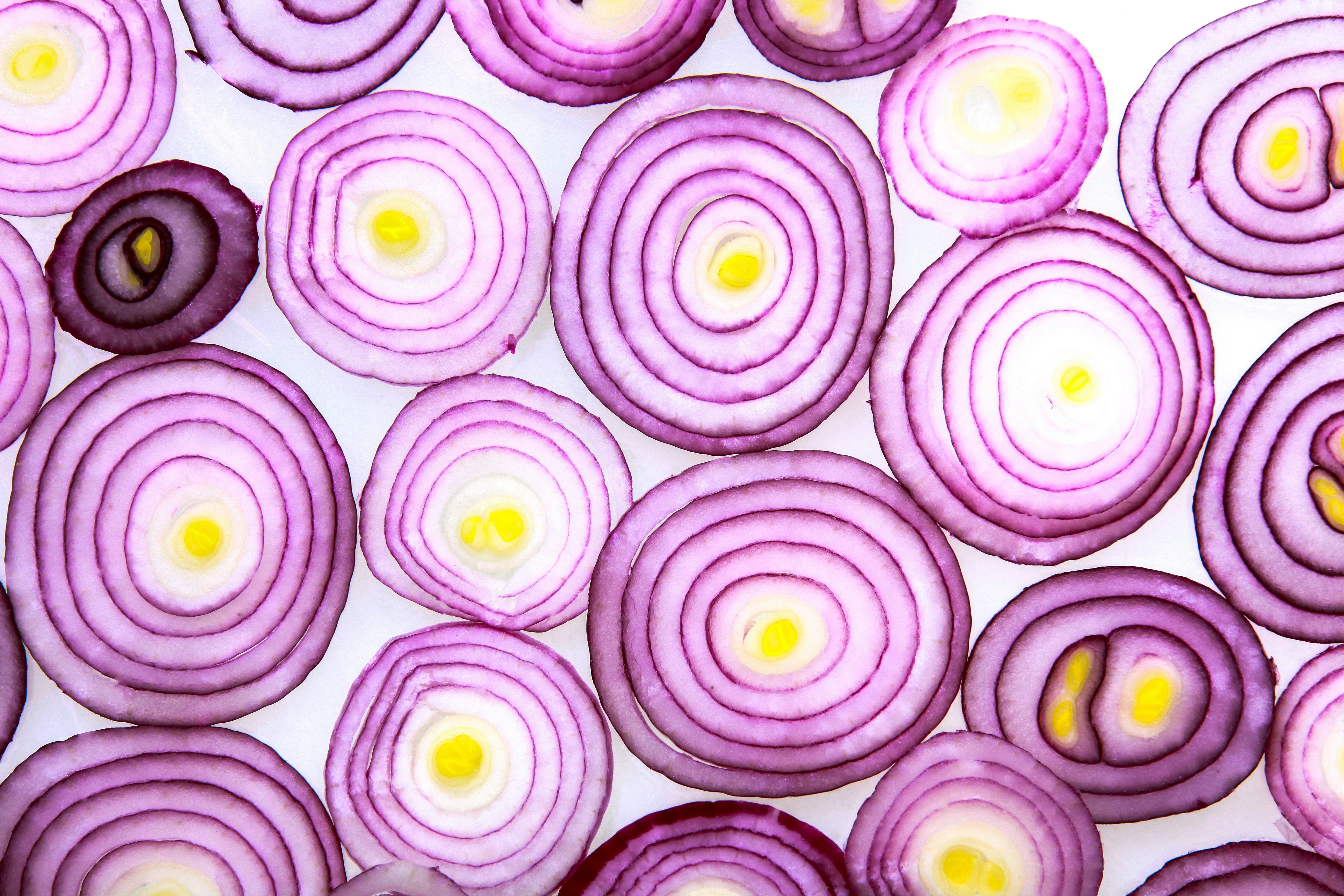
Anyway, I wanted to share this simple remedy because it’s really quite powerful, and I hope it might help some of you. The next time you or a loved one has ear trouble, remember the onion! May the plants be with you. 🙏🏼
Peripheral
On vacation in Maine, I read and thoroughly enjoyed The North Woods (thanks, Kristin!). It’s a novel about the layered history over several hundred years of a piece of land in Western Massachusetts—a stone’s throw from where I used to live, and one of my favorite parts of the country—and is just a gorgeous and creative sweep of time and the interconnection of people and plants in a given space. Beautiful, vast, and mind-expanding; reminded me a bit of The Overstory.
Speaking of the woods, I loved this 45-min documentary about Sweden’s forests, exploring selective logging as an alternative to clear-cutting. It weaves science and powerful personal narrative, and also brings in a perspective I’ve been thinking about a lot lately and don’t see discussed much: a critique of human centrism—the problematic way we often view the world as ‘for us’ and also separate from us.
This 100-word story is worth 1 minute of your time to read, and touches on the magic of dandelions, one of my favorite medicinal ‘weeds.’ I love the idea (and challenge) of communicating a complete idea or story in exactly 100 words. Putting a pin in that to try sometime!
Thank you! So good to read this remedy, will try to remember it in the future. ❤️
love!